Global Justice Kenya exists to make exploitation and human suffering unprofitable by advancing access to justice, accountability and effective remedies. GJK focuses on supporting survivors of human trafficking, modern slavery, severe labour exploitation, international crimes, gross human rights violations and business-related human rights abuses.
Access to justice. Effective remedies.
Access to justice for survivors of human trafficking and severe exploitation.
People before profit. Where there is a Right, there MUST be a Remedy.
Global Justice Kenya advances justice and effective remedies for survivors of human trafficking, modern slavery, international crimes and other gross human rights violations—combining legal action with evidence, recovery and institutional reform.
Who we are
Built to close the gap between rights and remedies.
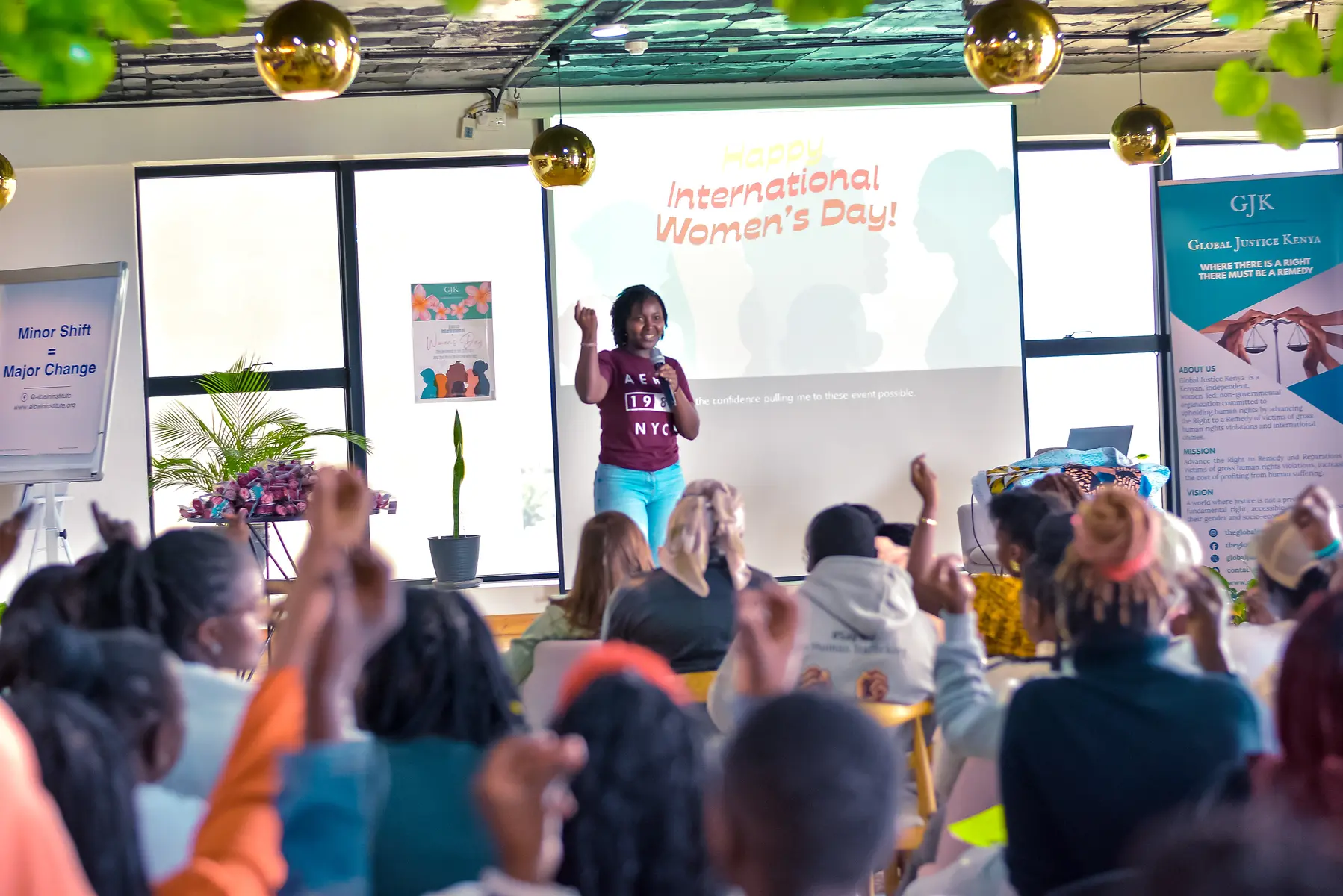
GJK is an independent, women-led Kenyan organisation. We recognise survivors as rights holders with agency and connect individual legal support with evidence, institutional accountability and systemic reform.
Every right matched by an effective remedy.
A world where exploitation is no longer profitable and every person can live with dignity, justice and freedom—regardless of wealth, geography, nationality, gender or social status.
IntegrityEvidence, honesty and accountability.
ServiceListening, participation and long-term independence.
RespectDignity, fairness and inclusion.
JusticeRights, remedies and the rule of law.
Why GJK exists
Human suffering should never be profitable.
Exploitation persists because it is often low-risk, highly profitable and rarely followed by meaningful accountability.
The imbalance we must reverse
Survivors, families and public institutions too often carry the costs of exploitation while those responsible retain its benefits. GJK works to secure remedies and, where the law permits, redirect proceeds of exploitation towards survivor restoration.
Justice—not charity
Support should be a bridge, not a dependency. Justice makes it possible.
Survivors should not remain indefinitely dependent on charitable assistance because those responsible for violating their rights have escaped accountability. Effective remedies should restore rights, dignity, autonomy and economic independence while transferring the financial and legal consequences of exploitation to those responsible.
How we make justice work
Effective remedies for survivors. Stronger justice systems for everyone.
GJK brings together legal empowerment, protection, evidence, representation, recovery, research and institutional reform so that justice can restore rights, shift the cost of exploitation to those responsible and deter future abuse.
Access to Justice
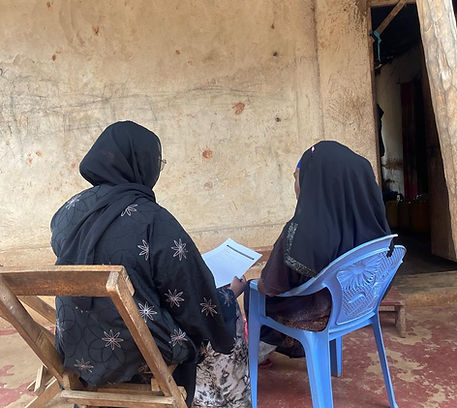
Legal information, survivor-centred documentation, case assessment, representation and access to domestic, regional and international remedies.
Survivor Recovery
Trauma-informed psychosocial support, healing, protection and pathways towards autonomy and economic independence.
Rescue, Protection & Repatriation
Coordinating urgent protection, safe return and access to appropriate assistance, while treating repatriation as the beginning of a wider justice and recovery process.
Capacity Building
Strengthening judges, lawyers, civil society organisations and communities to deliver informed, coordinated and rights-based responses.
Systems & Policy Reform
Practical justice tools, institutional reform and legislative engagement shaped by evidence and survivors’ experiences.
Research & Global Engagement
Evidence-based research, legal resources and national and international policy engagement that turn case learning into systemic change.
Partnerships
Convening institutions, survivor-led organisations and multidisciplinary partners to build sustainable justice ecosystems.
When opportunity becomes exploitation
See how unsafe migration systems can become pathways to exploitation—and where justice can intervene.
This framework connects recruitment, migration, exploitation and barriers to remedy with the legal, protection and accountability measures that can make rights enforceable in practice.
Explore GJK’s focusOur theory of change
Follow the profit. Enforce the remedy. Restore the survivor.
Where there is a Right, there MUST be a Remedy.
Justice should restore, not merely punish.
The cost of exploitation should be borne by those responsible, not by survivors or society.
Human suffering should never be a profitable business.
Exploitation persists when those responsible retain its benefits while survivors and society carry the cost. GJK pursues lawful remedies that restore rights, establish accountability and reduce the economic incentives for abuse.
Those responsible benefit while survivors and society bear the cost.
When exploitation remains low-risk and profitable, impunity becomes part of the business model.
Justice creates legal, financial and institutional consequences.
GJK advances compensation, restitution, rehabilitation, satisfaction and guarantees of non-repetition through appropriate judicial and non-judicial pathways.
Assets derived from exploitation should not remain with those responsible.
Where legally possible, GJK promotes recovery, forfeiture and the victim-centred use of proceeds of crime and other assets to benefit victims and support restoration.
When justice works:Survivors recoverProfiteers are held accountableCriminal profit is reducedFuture harm is deterred
Current strategic priority
Building access to justice for migrant workers.
Labour migration should create opportunity, not vulnerability. GJK supports migrant workers across the justice pathway—from legal empowerment and evidence preservation to representation, strategic litigation, institutional strengthening and effective remedies.
- Recovery and remedy for survivors
- Accountability for perpetrators and profiteers
- Stronger systems and safer migration
Our approach
Rights holders with agency—not passive beneficiaries.
GJK combines professional legal practice with ethical survivor engagement. Every intervention should protect dignity, support informed choice, minimise harm and strengthen sustainable access to justice.
Survivor-centredTrauma-informedGender-transformativeRights-basedEvidence-basedDo no harm
Read about our approach Evidence into action
Research, resources and institutional learning.
2026Building
Access
to JusticeMid-Year Impact Report
Access
to JusticeMid-Year Impact Report
Impact report
Global Justice Kenya Mid-Year Impact Report 2026
Evidence of progress in legal support, recovery, strategic litigation, institutional strengthening and policy reform.
Visit reportsPractical legal resource
Pathways to Justice Legal Roadmap
Helping survivors and practitioners understand available routes to remedy.
Practice resource
Documentation Toolkit & Simplified Guide to Remedies
Strengthening survivor-centred evidence collection and informed justice-seeking.
Collaboration as strategy
Invest in justice that restores lives and strengthens systems.
GJK works with foundations, universities, research institutions, law firms, governments and international organisations to connect survivor-level remedies with durable institutional change.
Fund survivor justice
Support legal representation, evidence collection and cross-border casework so rights can be enforced in practice.
Partner on research
Co-produce comparative legal research, practical justice tools and evidence-based policy solutions.
Strengthen institutions
Invest in judicial, professional and civil-society capacity, multidisciplinary learning and coordinated justice systems.