
What we do

We turn rights into remedies.

GJK brings protection, evidence, legal action, recovery and institutional reform together so that justice can restore survivors, hold those responsible accountable and make exploitation unprofitable.

Explore our work
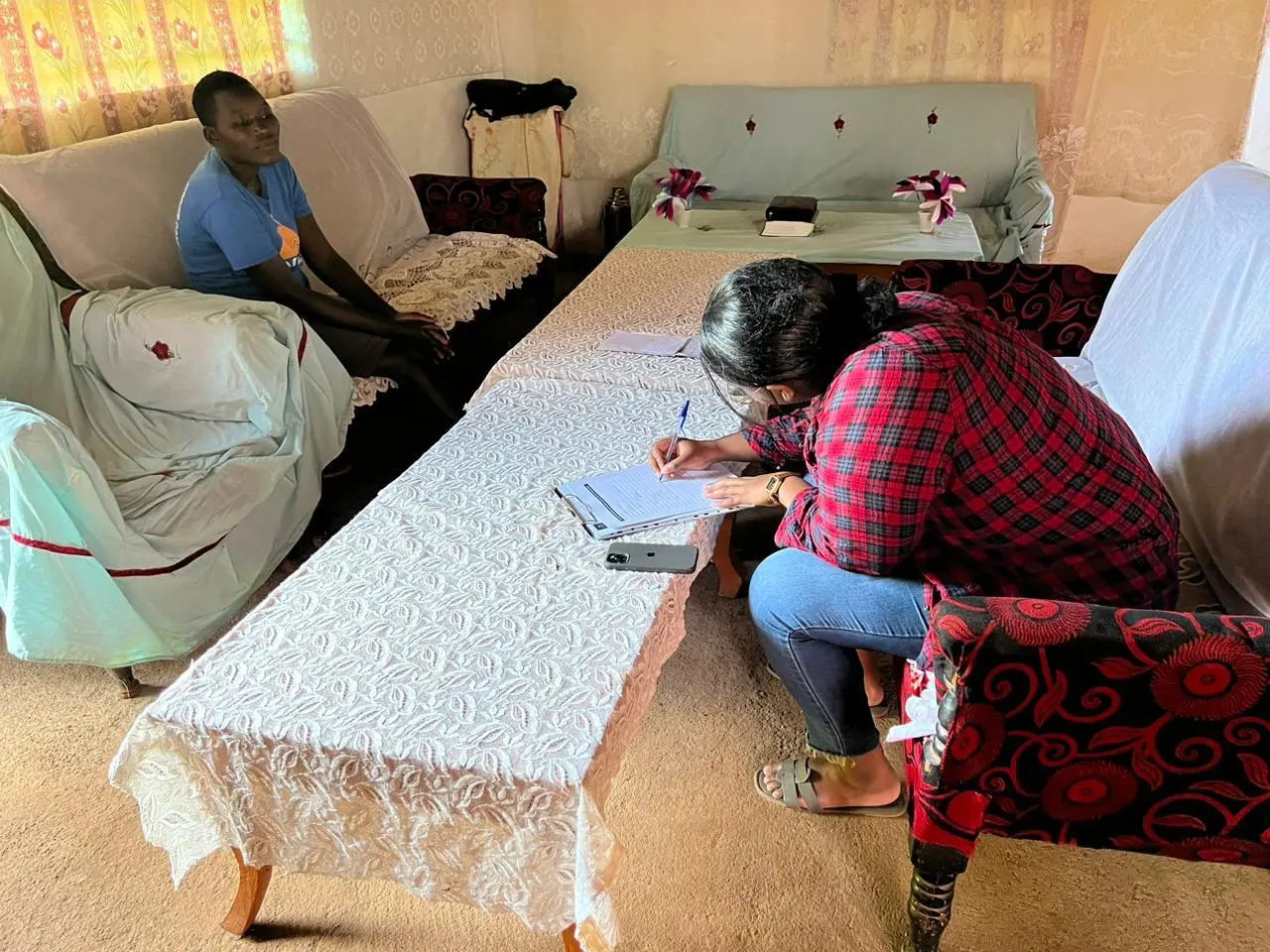
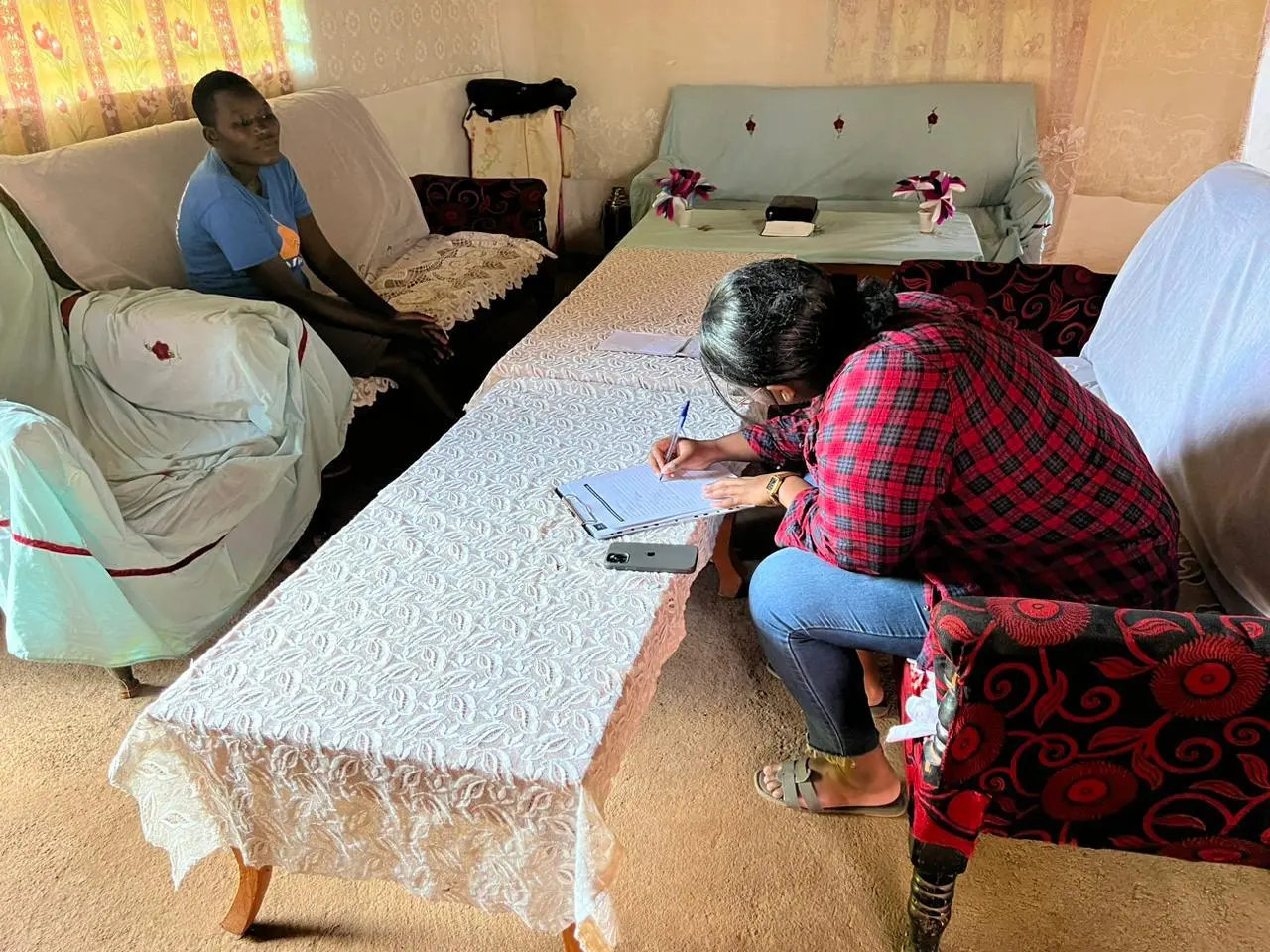
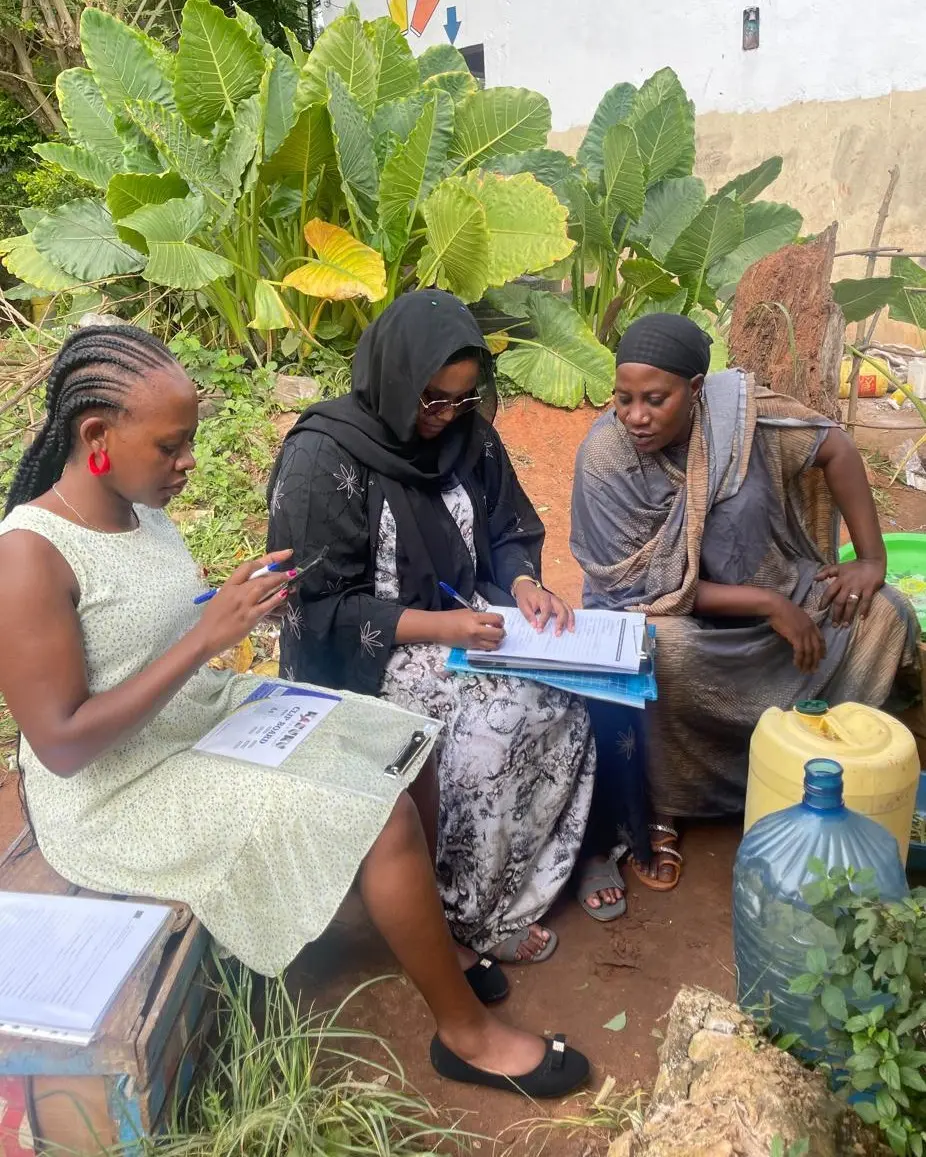
A GJK team member documenting information during a home-based meeting
Careful, trauma-informed documentation connects lived experience with evidence, legal assessment and practical routes to remedy.

A connected justice pathway

Rescue is the first step. Justice is the solution.

GJK does not treat protection, legal action and recovery as separate services. Immediate safety can open the way to documentation; evidence can unlock remedies; remedies can support restoration; and learning from cases can strengthen institutions and prevent future harm.

Our areas of work

From immediate protection to long-term remedy and reform.

Each area serves the same purpose: shifting the cost and consequences of exploitation away from survivors and society and towards those responsible.

Safety, return and accountability

Rescue, protection and repatriation

GJK coordinates urgent protection and safe return with responsible public institutions and trusted partners. Each intervention is individually assessed, survivor-centred and guided by safety, informed choice and do-no-harm principles.

Repatriation is not the end of a case. It is an entry point to documentation, recovery, legal advice and the pursuit of remedies. GJK does not pay agents or employers for a survivor’s release, because doing so would sustain the market that profits from exploitation.
Evidence for justice

Documentation, legal research and case development

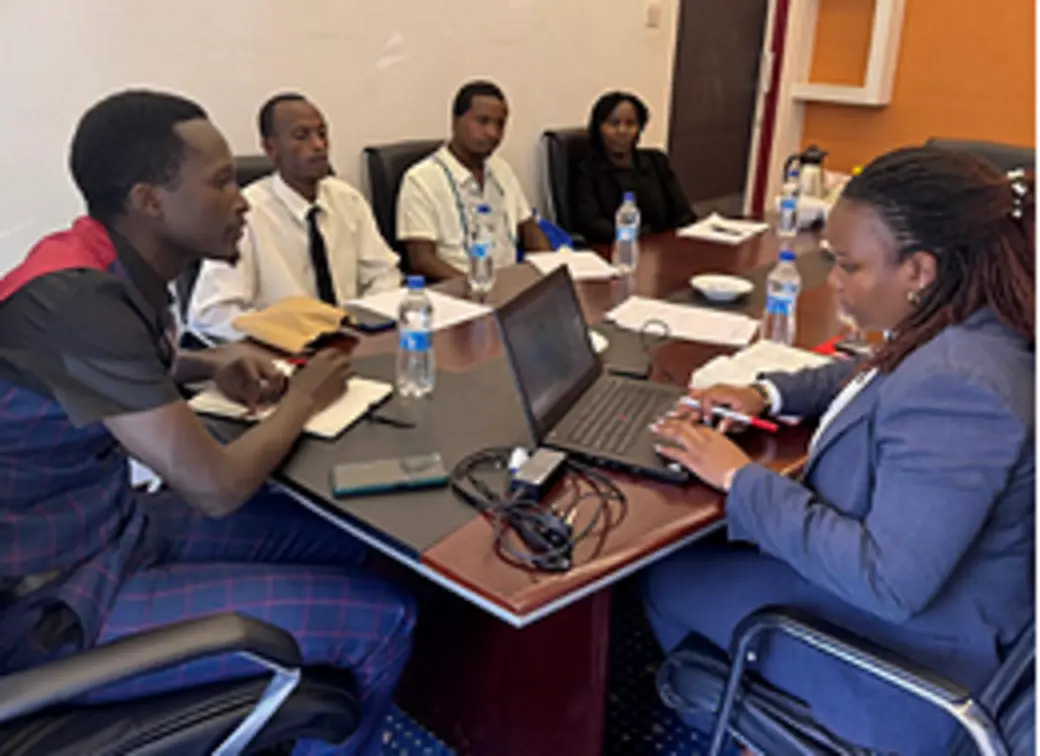
Legally rigorous, trauma-informed documentation preserves evidence, identifies responsible actors and creates a safe route for survivors and families to report abuse.

Case evidence is connected to legal analysis across countries of origin and destination. This enables GJK to assess civil, criminal, administrative, informal and alternative dispute-resolution pathways and to develop cases capable of securing accountability and restoration.

Rights made enforceable

Access to justice and effective remedies

GJK supports survivors to understand their options and pursue appropriate judicial and non-judicial remedies, including compensation, restitution, rehabilitation, legal recognition, satisfaction and guarantees of non-repetition.

Explore this programme
Knowledge that protects

Rights literacy and capacity strengthening

Know Your Rights education helps communities and frontline organisations recognise exploitation, preserve evidence and activate safe referral and reporting mechanisms.

Explore this programme
Evidence into reform

Advocacy and systems change

GJK turns case learning, survivor experience and legal research into policy engagement, institutional accountability and practical reform at national, regional and international levels.

Explore this programme
Restoration and independence

Healing, reintegration and economic justice

Justice takes time, while safety, healing and income needs are immediate. GJK connects legal action with trauma-informed psychosocial support and pathways towards dignified work, skills, education and economic independence.

Explore this programme

How the model works in practice

Evidence is the backbone of access to justice.

Documentation informs case strategy, legal research and reform. Learning from individual cases is converted into stronger justice pathways for more survivors.

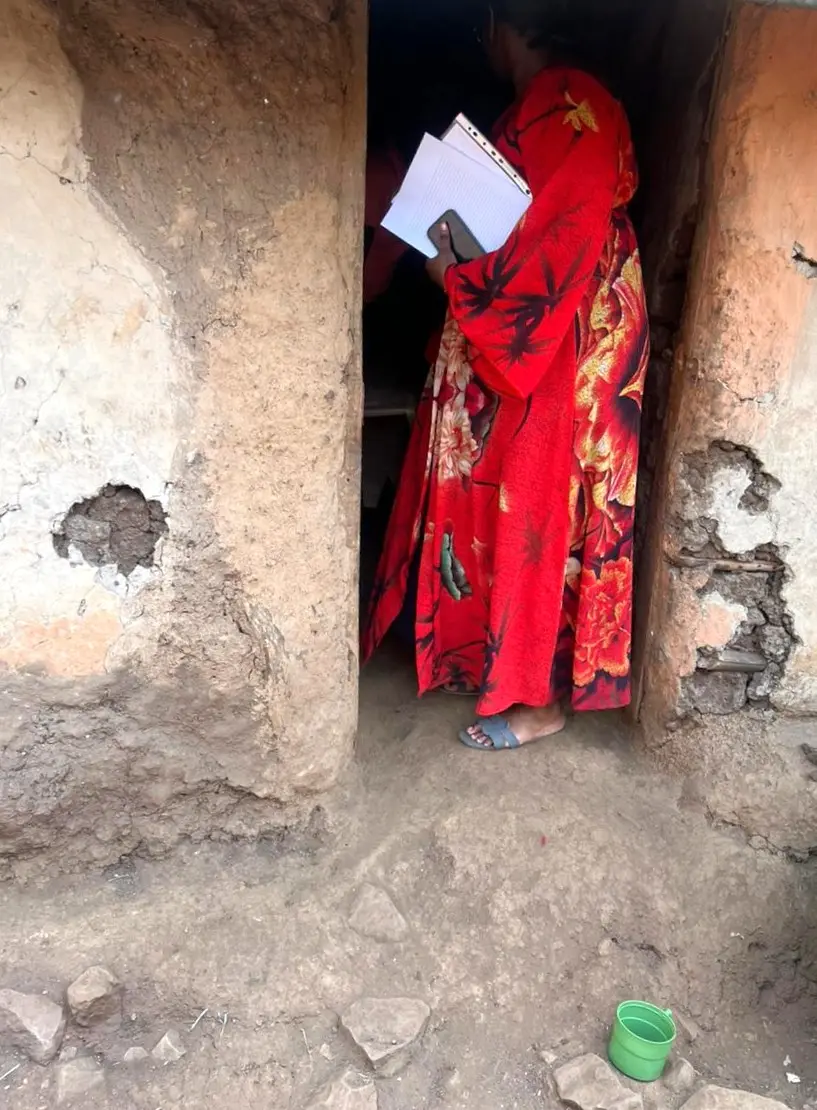
Documentation is undertaken with legal rigour, informed consent, confidentiality and respect for each rights holder’s agency.

Read GJK reports

How we work

The way justice is pursued matters.

Professional discipline, ethical survivor engagement and institutional collaboration shape how every programme is designed and delivered.

Survivor-centred

Safety, agency, informed choice and survivor priorities guide every intervention.

Legally rigorous

Evidence and legal analysis connect immediate support to enforceable remedies.

Cross-border

GJK works across countries of origin and destination where exploitation and remedies cross jurisdictions.

Gender-transformative

Programmes address unequal power and the gendered conditions that enable exploitation.

Institution-strengthening

Cases and research are used to improve the systems responsible for protection and justice.

Partnership-driven

Public institutions, universities, legal practitioners and civil society contribute distinct capabilities.

Partner with GJK

Help move a right from paper into practice.

Foundations, universities, research institutions, law firms, governments and international organisations can help fund survivor cases, test cross-border remedies, produce comparative research and strengthen the institutions responsible for justice.