Support healing
Connect rights holders with trauma-informed psychosocial support that respects safety, dignity, choice and confidentiality.
Restoration and independence
Justice takes time, while safety, healing and income needs are immediate. GJK connects legal action with trauma-informed psychosocial support and pathways towards dignified work, skills, education and economic independence.
This work reduces vulnerability to re-trafficking and supports survivors to rebuild stability and exercise agency. GJK is developing a livelihood programme focused on practical pathways towards skills, dignified work and economic independence. Survivors are recognised as rights holders, professionals, leaders and change-makers.
Programme priorities
Recovery and economic justice are integral to effective remedy. Support is shaped around each rights holder’s priorities and complements—not replaces—accountability and legal redress.
Connect rights holders with trauma-informed psychosocial support that respects safety, dignity, choice and confidentiality.
Build a livelihood programme around education, skills, dignified work and income pathways that respond to individual goals and circumstances.
Recognise survivors as professionals, leaders and change-makers whose expertise can shape programmes and wider reform.
Recovery in practice
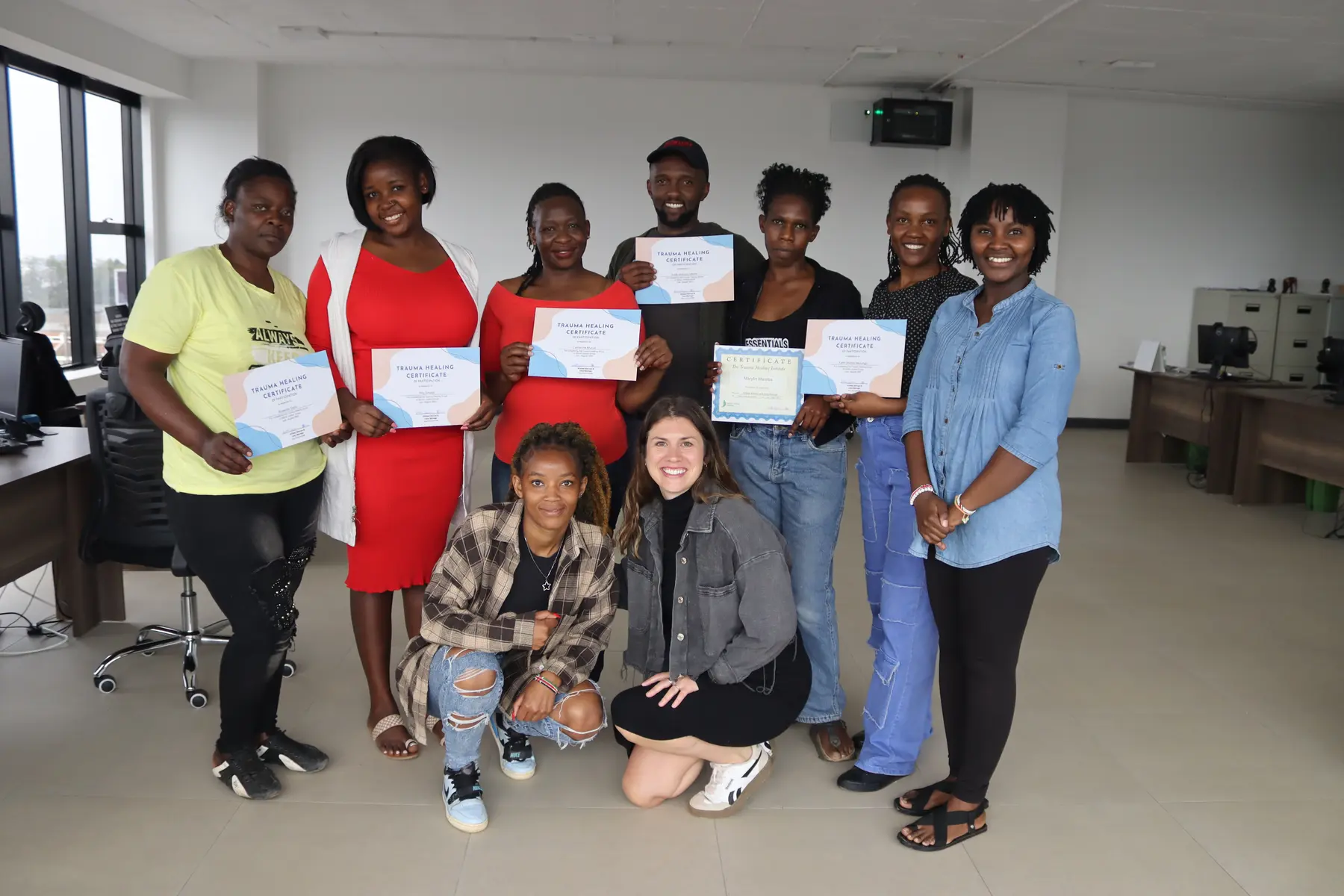
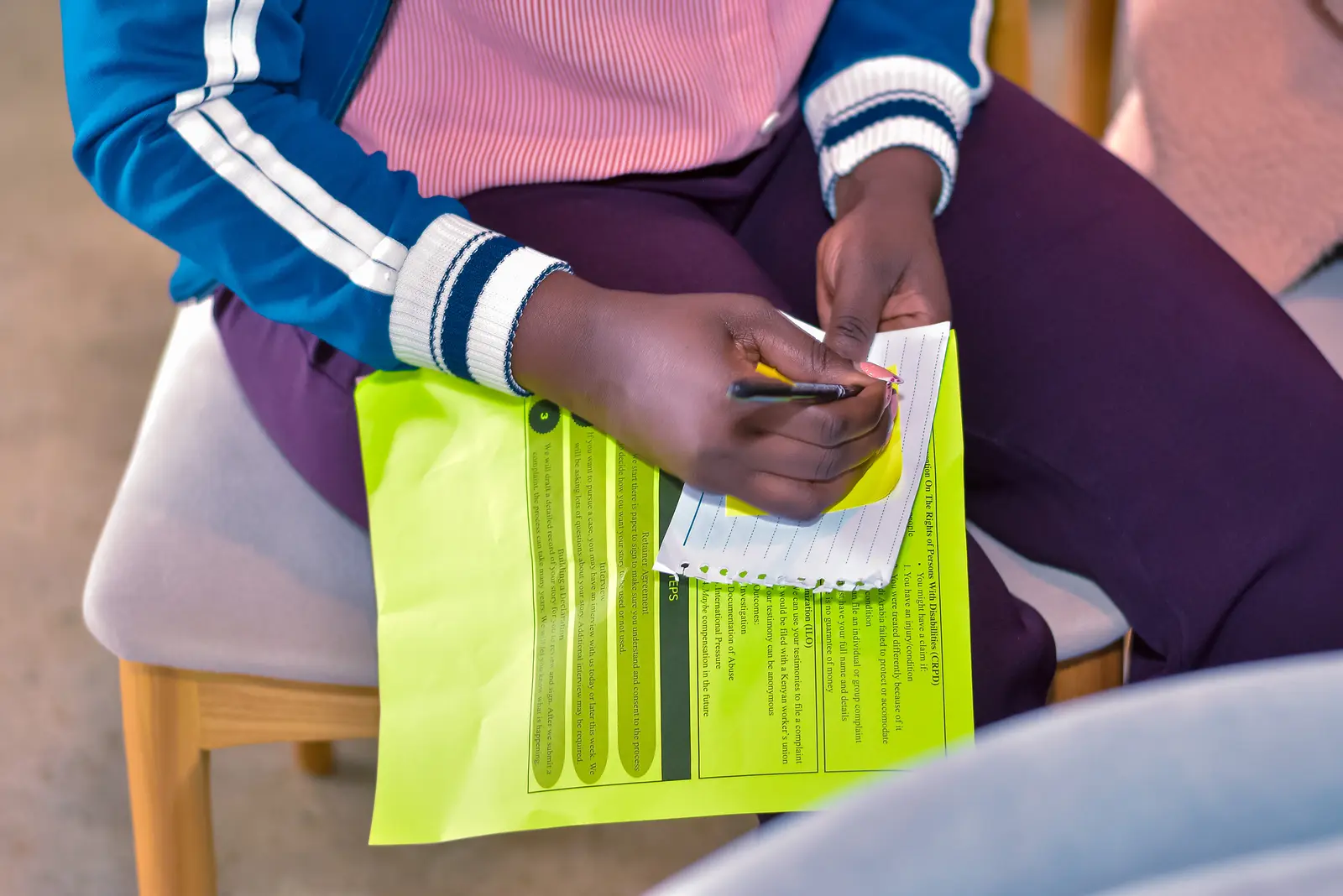
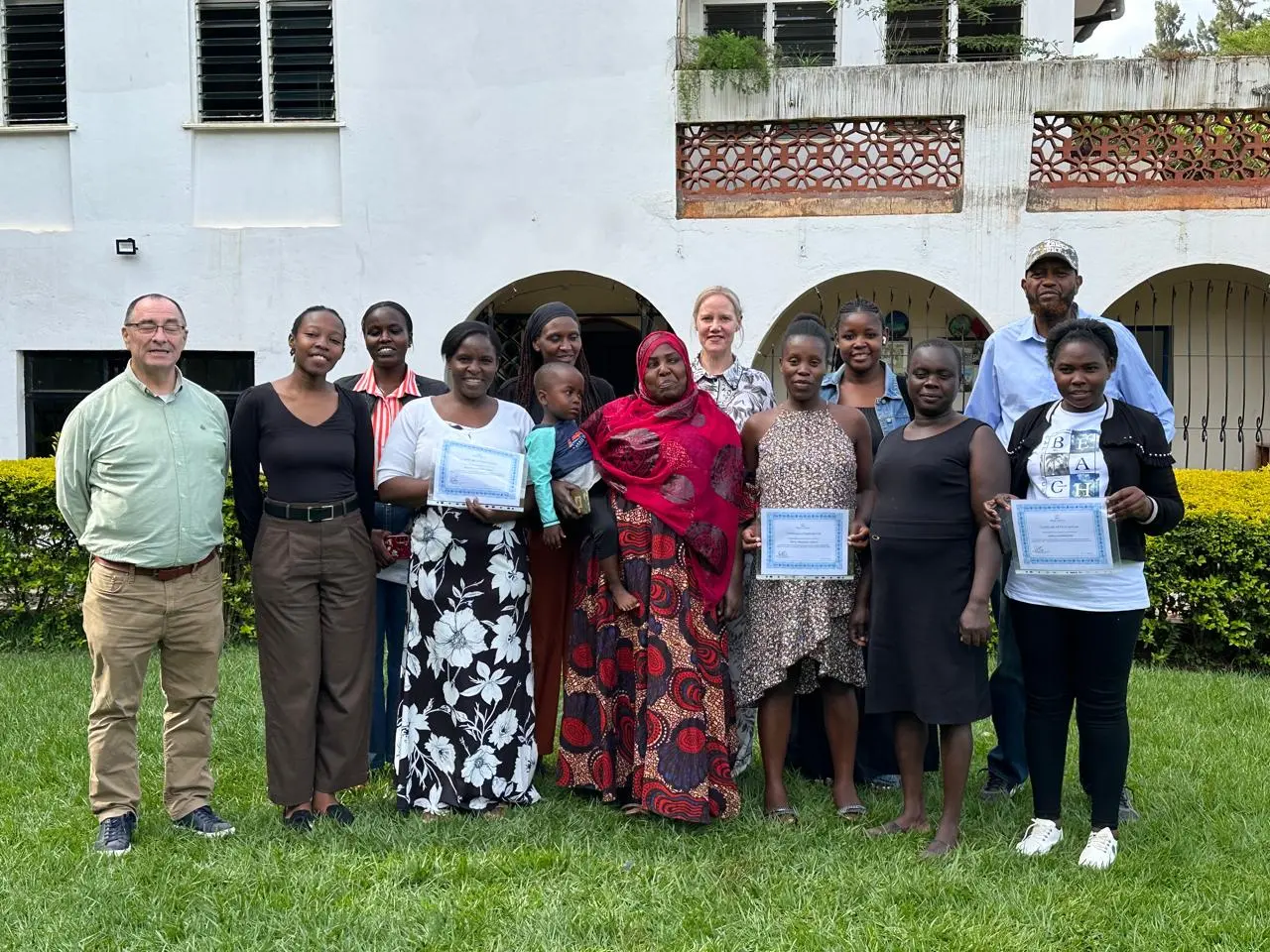
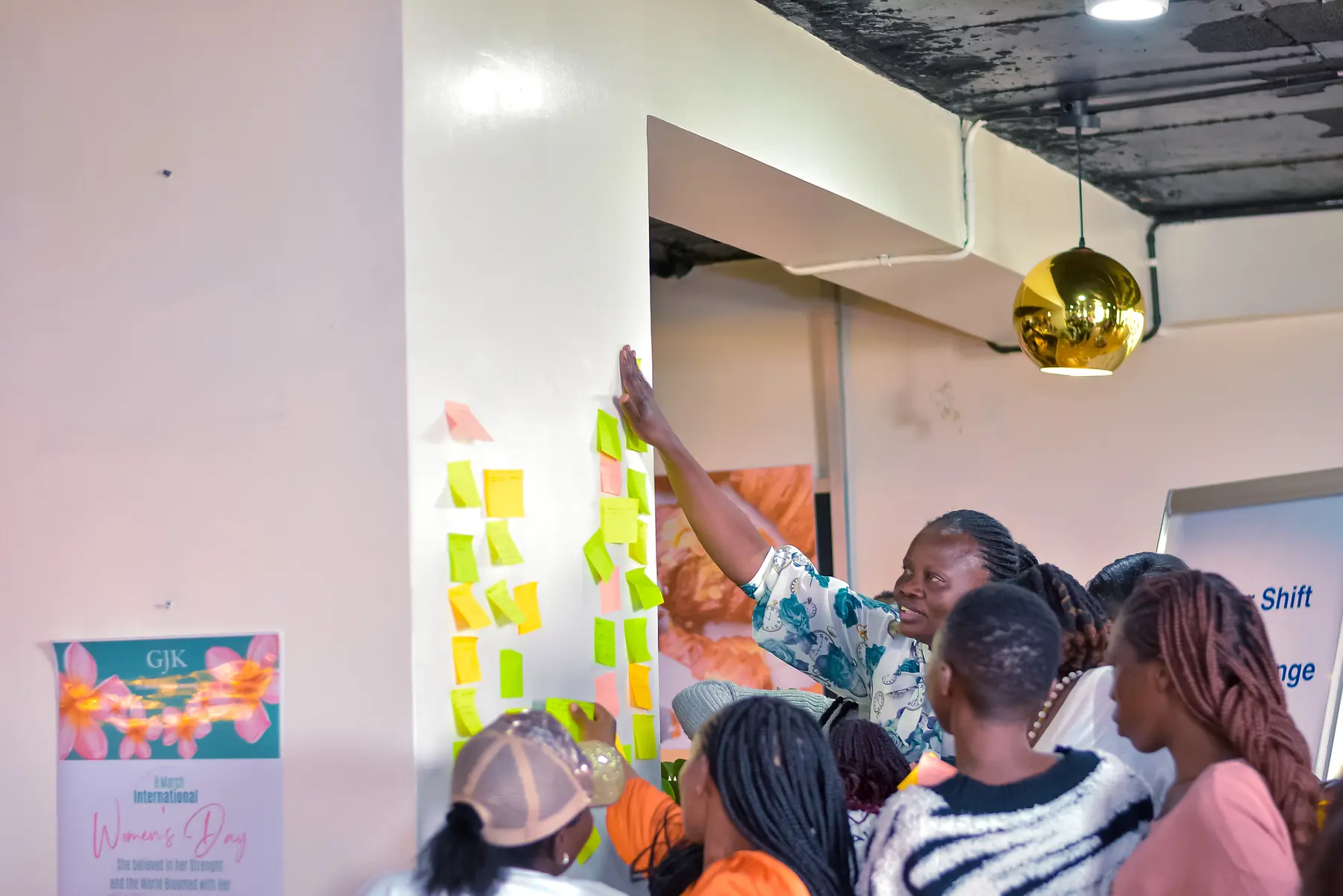
These programme photographs illustrate learning, participation and connection. They do not identify any person shown as a survivor or disclose personal circumstances.
A connected justice model
GJK links individual support and enforceable remedies with evidence, institutional learning and long-term reform.