Our focus · Migrant domestic workers

Women working inside private homes must remain protected by law.

GJK focuses on women migrant domestic workers and the gendered conditions that can expose women to control, exploitation and trafficking—as well as the evidentiary and institutional barriers that obstruct their access to justice.

Privacy must not become impunity.

Every worker is entitled to dignity, safety, fair conditions and access to a remedy.
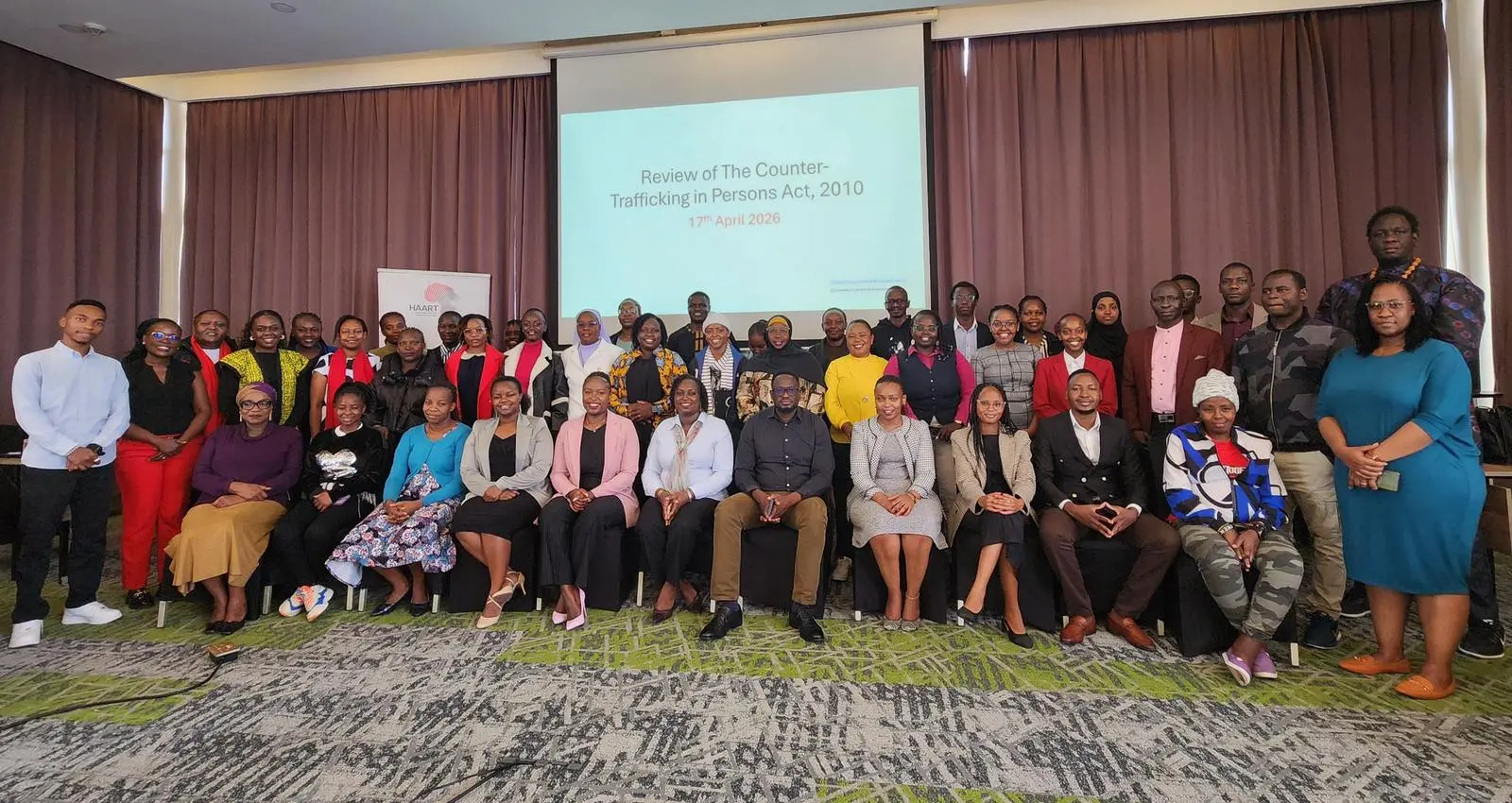
Participants at a multi-stakeholder review forum on Kenya’s counter-trafficking law
Collective institutional action strengthens prevention, protection and access to remedies for migrant workers.

Understanding the risk

Domestic work is work. Its location should not determine whether rights can be enforced.

Women often choose migrant domestic work as a legitimate route to income and opportunity. Domestic work is not inherently exploitative, and a labour dispute does not automatically constitute trafficking.

Risk increases when isolation, deceptive recruitment, employer control, immigration insecurity or withheld wages and documents restrict a woman’s choices. GJK examines the full employment relationship, the harm experienced and the actors who enabled or profited from it.

The feminisation of labour migration

Labour migration is not gender neutral.

Women and men may migrate through different channels, enter different sectors of work, experience different forms of exploitation and face distinct barriers when seeking protection and justice.

Women are workers and migration decision-makers.

The feminisation of migration is not simply a change in numbers. It also reflects women increasingly migrating as workers in their own right, often as primary earners and providers. Women’s migration should therefore be understood through agency and economic contribution—not through vulnerability alone.

In Kenya’s labour-migration corridors to Gulf and other Arab-region destinations, women are heavily concentrated in domestic work, caregiving, hospitality, cleaning, beauty services and other feminised sectors. This pattern is shaped by gendered labour markets, unequal economic opportunity, the undervaluation of care work and social expectations that associate women with domestic and caregiving roles.

From gender-responsive to gender-transformative

Protection must change the conditions that produce inequality.

A gender-transformative approach responds to immediate harm while also challenging unequal power relations, discriminatory norms and institutional practices. It centres women’s voice and collective participation, values domestic and care work as work, strengthens labour and social protection, improves access to evidence and remedies, and holds recruiters, employers and public institutions accountable.

It also recognises gender-specific harms—including sexual and gender-based violence, reproductive and pregnancy-related harm, family separation, civil-registration barriers and the long-term effects of exploitation on women and their children.

Structural conditionsUnequal opportunity and gendered social norms
Labour-market concentrationDomestic, care and other undervalued work
Justice consequencesHeightened exposure and barriers to reporting and remedy

Rights across the journey

Information before departure. Justice after return.

Protection depends on practical rights information, safe evidence preservation and remedy pathways that remain available across borders.

A gendered justice challenge

Why violations against women can be difficult to prevent, detect and prove.

Gender, migration status, workplace isolation and economic dependency can interact to reduce women’s bargaining power and access to assistance.

Work hidden from scrutiny

Women’s domestic work takes place inside private homes, where labour inspection, peer support and ordinary workplace oversight may be limited or absent.

Dependence and isolation

A woman may depend on an employer for accommodation, food, immigration status, communication and movement, making it difficult to leave or seek help.

Control of documents and wages

Passport confiscation, wage withholding, contract substitution and recruitment debt can deepen women’s dependency and restrict their choices.

Gender-based harm

Women and girls may face intersecting risks of sexual violence, harassment, discriminatory treatment and retaliation, alongside labour exploitation.

Evidence barriers

Abuse against women may occur without witnesses, while messages, contracts, payment records and identity documents remain under another person’s control.

Fear of reporting

Women workers may fear dismissal, detention, deportation, loss of income, criminalisation or retaliation against themselves or their relatives.

Return is not a remedy

Repatriation may secure a woman’s safety. Justice must continue after return.

A woman may return without wages, compensation, documentation or accountability for those responsible. Her safe return must connect to recovery, evidence preservation, legal advice and continuing access to remedies.

Explore cross-border remedies

A pathway to justice

Protection, evidence and remedies for women must work together.

GJK combines survivor-centred, trauma-informed and gender-transformative practice with legal rigour and institutional collaboration so women can pursue justice safely and with agency.

Recognise and prevent

Rights information, ethical recruitment, accessible reporting and early evidence preservation help women recognise risk and act before abuse escalates.

Protect without removing agency

Safety planning, urgent protection and repatriation must preserve each woman’s informed choice, confidentiality and agency through do-no-harm safeguards.

Document with care

Trauma-informed documentation connects a woman survivor’s account with contracts, communications, payment records and other evidence needed to assess legal options.

Pursue effective remedies

Legal pathways for women may seek unpaid wages, compensation, restitution, rehabilitation, legal recognition, accountability and guarantees of non-repetition.

See how GJK works

Partner with GJK

Strengthen justice for women migrant domestic workers.

Foundations, universities, legal practitioners and public institutions can support research, case development, legal representation for women survivors, institutional learning and gender-responsive remedy pathways.