Before GJKExperience shaped by the pursuit of remedies
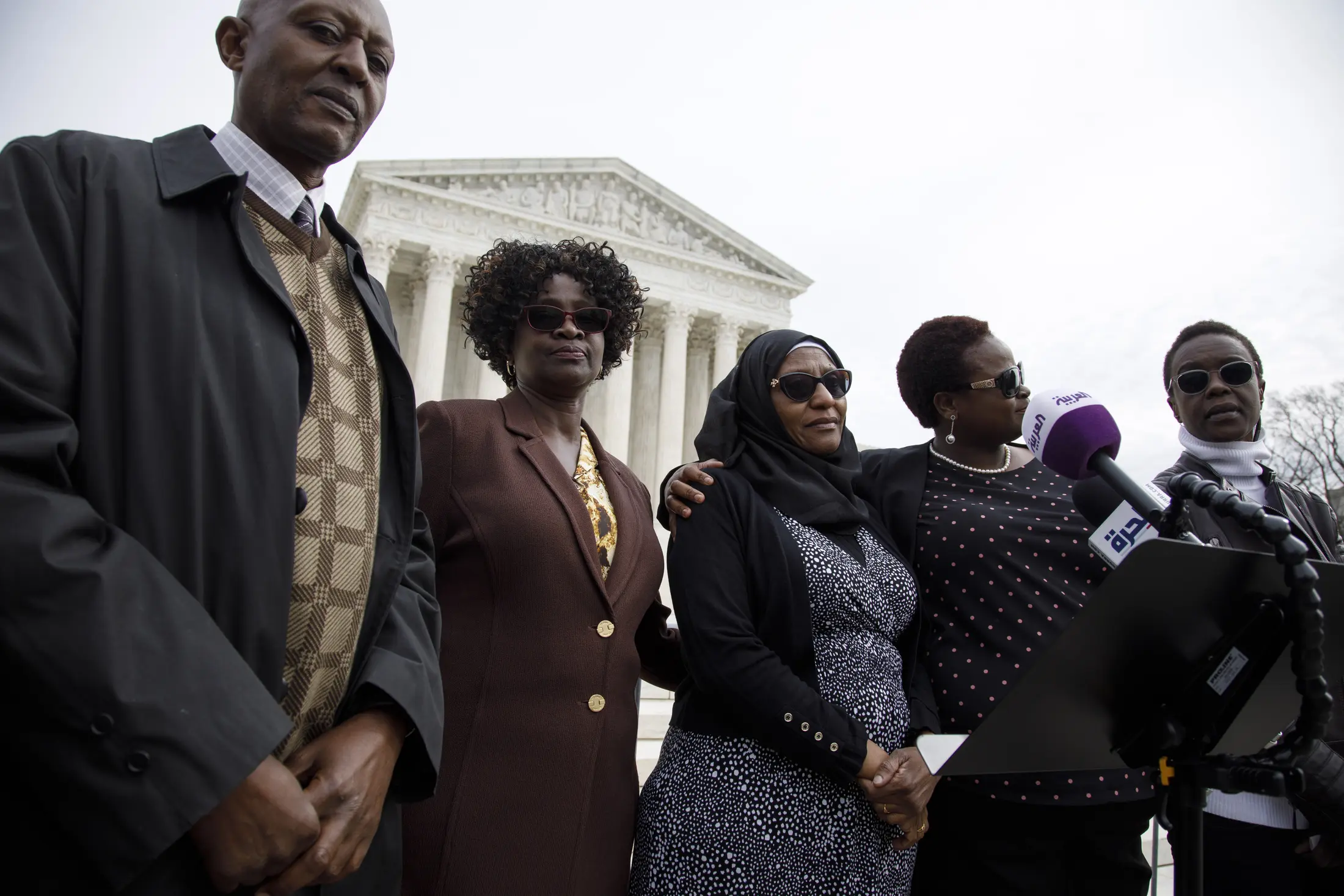
GJK’s founders and members of its leadership built more than a decade of practical experience through Global Justice Group and other legal partnerships. Their work included documenting the experiences of survivors and victims’ families affected by the 1998 United States Embassy attacks in Nairobi and Dar es Salaam and supporting pathways to legal representation and civil compensation.
2024An independent Kenyan organisation
Global Justice Kenya was formally established in 2024 to address a persistent justice gap: survivors of serious human rights violations may receive protection or assistance yet remain unable to obtain compensation, restitution, rehabilitation, legal recognition or meaningful accountability.
Institutional evolutionFrom individual cases to systemic change
Experience showed that individual cases often reveal wider failures in law, evidence, coordination, affordability and enforcement. GJK therefore developed an integrated model connecting survivor-centred documentation and legal support with strategic litigation, research, institutional strengthening, practical tools and policy engagement.
TodayA strategic focus on migrant-worker justice
GJK now applies this access-to-justice model to trafficking, modern slavery, severe labour exploitation and other grave violations, with a particular focus on migrant workers, women migrant domestic workers, cross-border accountability and remedies that remain accessible after return to Kenya.